History

The History Department at Dunottar is successful and flourishing.
Although important, History is not just about learning dates and events. It also involves the development of the skills of investigation, analysis, selection, debate and writing, which are developed from the outset in Year Seven.

Overview of topics covered in Key Stage 3

In Year Seven, we focus on the concept of Medieval Kingship and then contrast this by studying the life of ordinary people in the Medieval period. A world perspective is then included with a study of the Crusades. Towards the end of Year Seven we begin to consider the religious changes that happened under the early Tudors.

In Year Eight, the time span 1500-1900 is covered, with emphasis on the religious, political, economic and social changes of the period. Aspects of the Tudors, Stuarts and the Industrial Revolution period are studied. The end of Year Eight sees the study of the Atlantic Slave Trade with the issue of slavery in the Americas then being developed at the start of Year Nine. In Year Nine we also carry out in-depth studies on World War One and the Holocaust as well as considering the ideas of democracy and dictatorship.

Throughout Key Stage 3, we encourage girls to think critically and they begin to evaluate a range of sources.

GCSE Course

The GCSE syllabus we follow is AQA Modern World History, with its particular focus on the twentieth-century world. We study the inter-war years, the establishment of the Communist dictatorship in Russia, the Civil Rights Movement in 1960s America and the beginnings of the Cold War.

For the controlled assessment which has replaced Coursework we study the Home Front during World War One and Two.

A Level Course

At A Level, we encourage the girls to broaden their historical awareness by studying the Early Modern as well as the Modern period.

In the Lower Sixth, students study Britain 1483-1529 and Mussolini’s Italy. In the Upper Sixth the reign of Elizabeth I is studied and the girls also produce an Historical Enquiry based upon an outline study of Tsarist Russia and the Revolutions of 1917.

Rooms and Resources

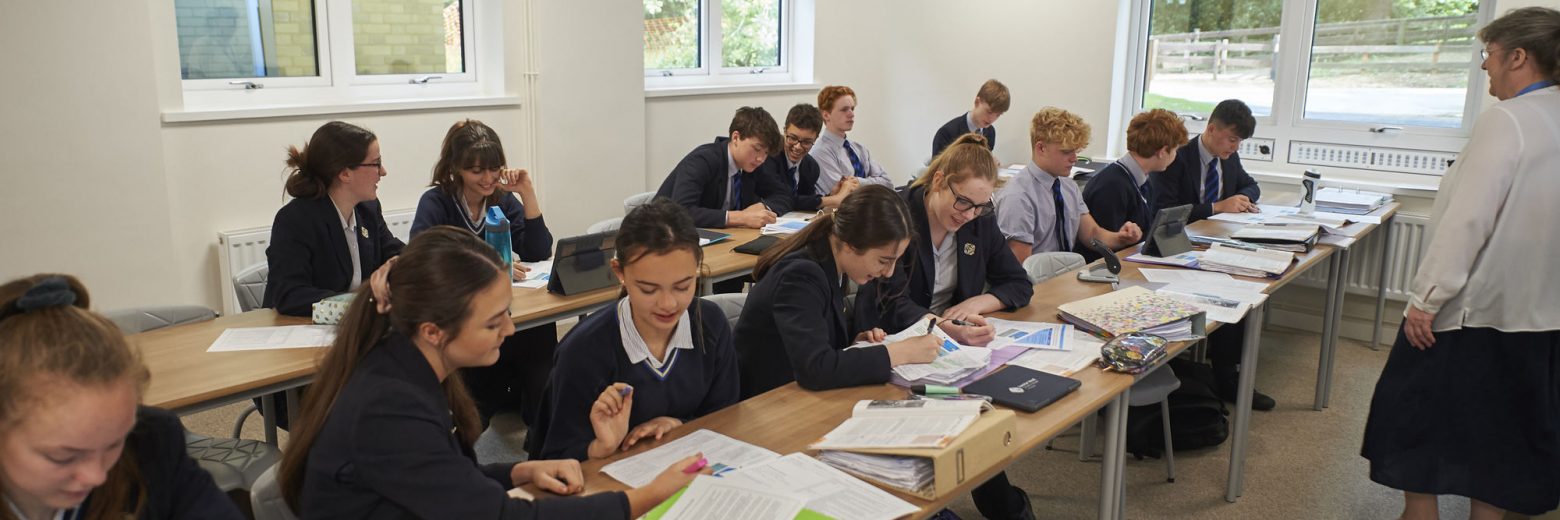
We have dedicated teaching rooms and a wide range of resources available to use, including artefacts, workshop materials, multi-media resources as well as textbooks, which are regularly updated. We also adopt a wide variety of teaching styles given that students learn in very different ways.

Educational Visits

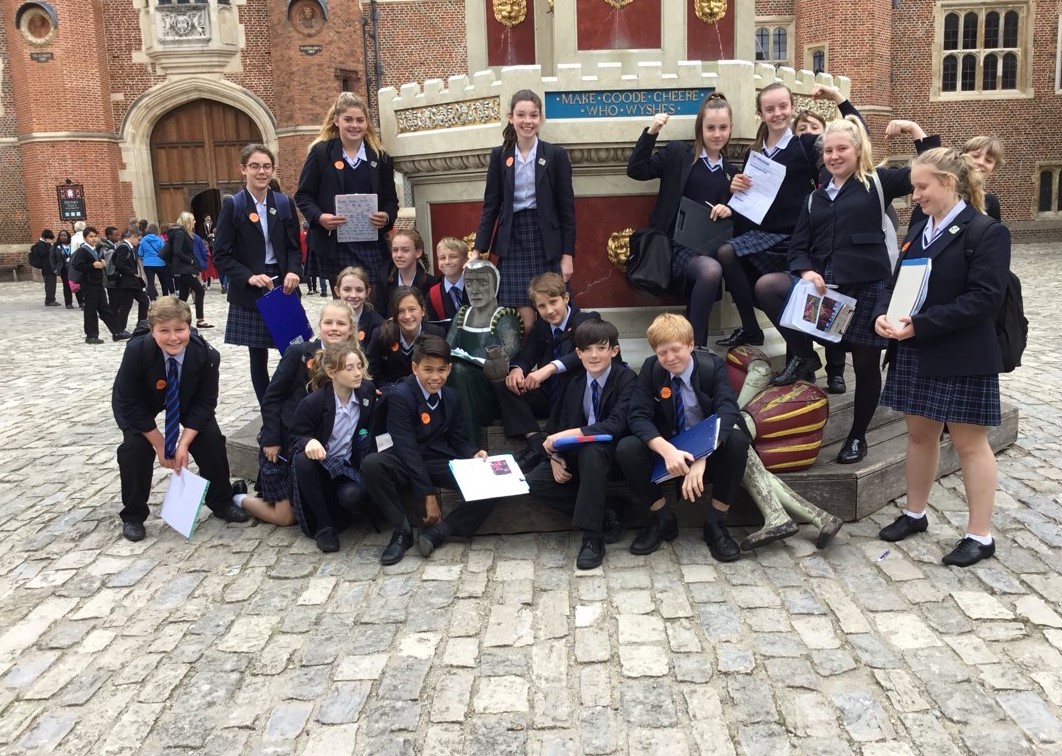
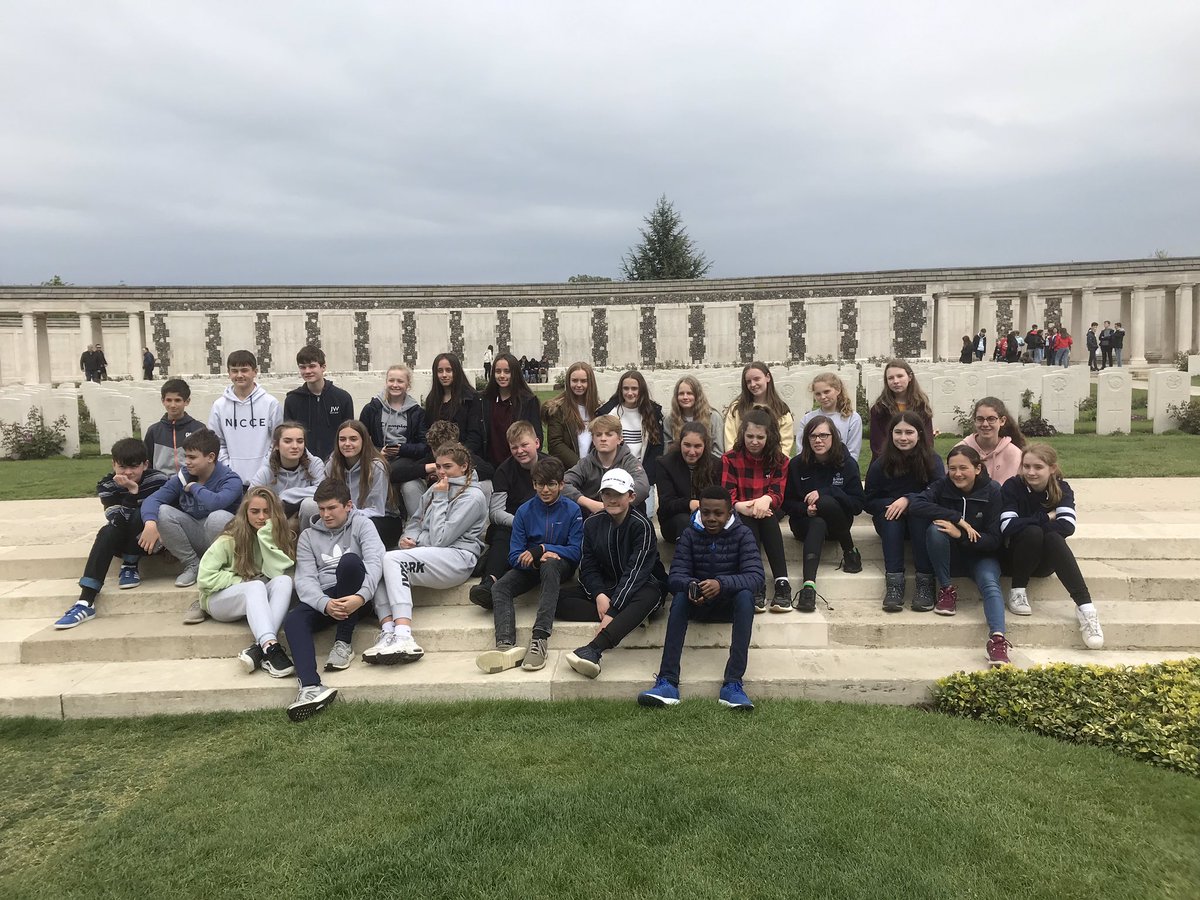
The Department organises educational visits to support the work of each Year or Key Stage. Year Seven visit Rochester Cathedral and Castle, Year Eight enjoy a visit to Hampton Court Palace and Year Nine (in a joint trip with the English Department) visit the National Army Museum and the National Theatre to see their annual children’s production. At Key Stages 4 and 5, we offer residential trips. The GCSE students ‘Kip on a Ship’ at HMS Belfast and the Sixth Form students experience a Tudor weekend based in the Midlands, which includes visits to Warwick Castle, Bosworth Battlefield, Baddesley Clinton and Christchurch College, Oxford.

Extra Curricular Clubs

The History Department runs a flourishing Archaeology Club, open to both Junior and Year Seven of the school.

Developing wider historical interest

We held our first very successful History Dinner in 2008 where we had Alison Weir as our guest speaker. This Dinner was open to students of History in the school. We are holding our second Dinner in May of 2011 with guest speaker Tracy Borman who has written a very successful book on ‘Elizabeth’s Women’.